
Process-Based ACT, Regina, Canada, May 2026
May 29th to May 30th, 2026
14.5 CE hours
Join the originator of ACT, Steven C. Hayes, for two days of training, dialog, and hands on learning designed to expand your skillset as a provider while amplifying the impact of the evidence-based strategies you most like to use in your practice.
*Early Bird Registration Expires April 15th, 2026*

Learn Something New, While Still Being You
Acceptance and Commitment Therapy (ACT) is a scientifically based approach to psychosocial intervention that emerged out of the behavioral and cognitive behavioral tradition. ACT is unusual as compared to other modern evidence-based intervention strategies in that over half of its more than 45 years of development were spent trying to discover and formulate the smallest set of change processes that do the most good for the most people across the widest set of human difficulties and aspirational goals. There are now over 1,500 randomized trials and thousands of studies on its underlying psychological flexibility model and on Relational Frame Theory (RFT), its model of human language and cognition. Based on that vast empirical foundation, ACT allows practitioners to use its methods and ideas in combination with what they already know to alter change processes that matter in anxiety, depression, trauma, behavioral health struggles, social wellness, relationships and virtually anywhere else that a human mind goes.
ACT encourages clients to recognize and abandon the avoidant and clinging patterns that, paradoxically, exacerbate their suffering and interfere with well-being. Instead, it teaches clients to start in the here and now, with cognitive and emotional openness and mindful awareness, learning what emotional pain, anxiety, or sadness may have to teach them. Those skills are then used to refocus on values-based living and the deliberate creation of values-based habits, while extending these abilities socially and to their own body.
The methods needed to accomplish these goals can be readily combined with methods attendees already have mastered, once learning to read the key processes of change becomes second nature. This workshop will combine experiential exercises, personal exploration, large amounts of practice, feedback, and flat out fun to foster new ways to be your best self in the professional work you do, whether you are new to ACT or an expert. Attendees will learn how to see, to target, and to the processes of psychological flexibility writ large, that fit the goals and aspirations of the truly unique human lives they serve.
Location
Located in the beautiful town of Regina, Saskatchewan, the University of Regina is centrally located in southern Canada between Calgary and Winnipeg. The university is not far from downtown Regina where you can enjoy shopping, restaurants, and the beauty of south central Saskatchewan.
Trainers
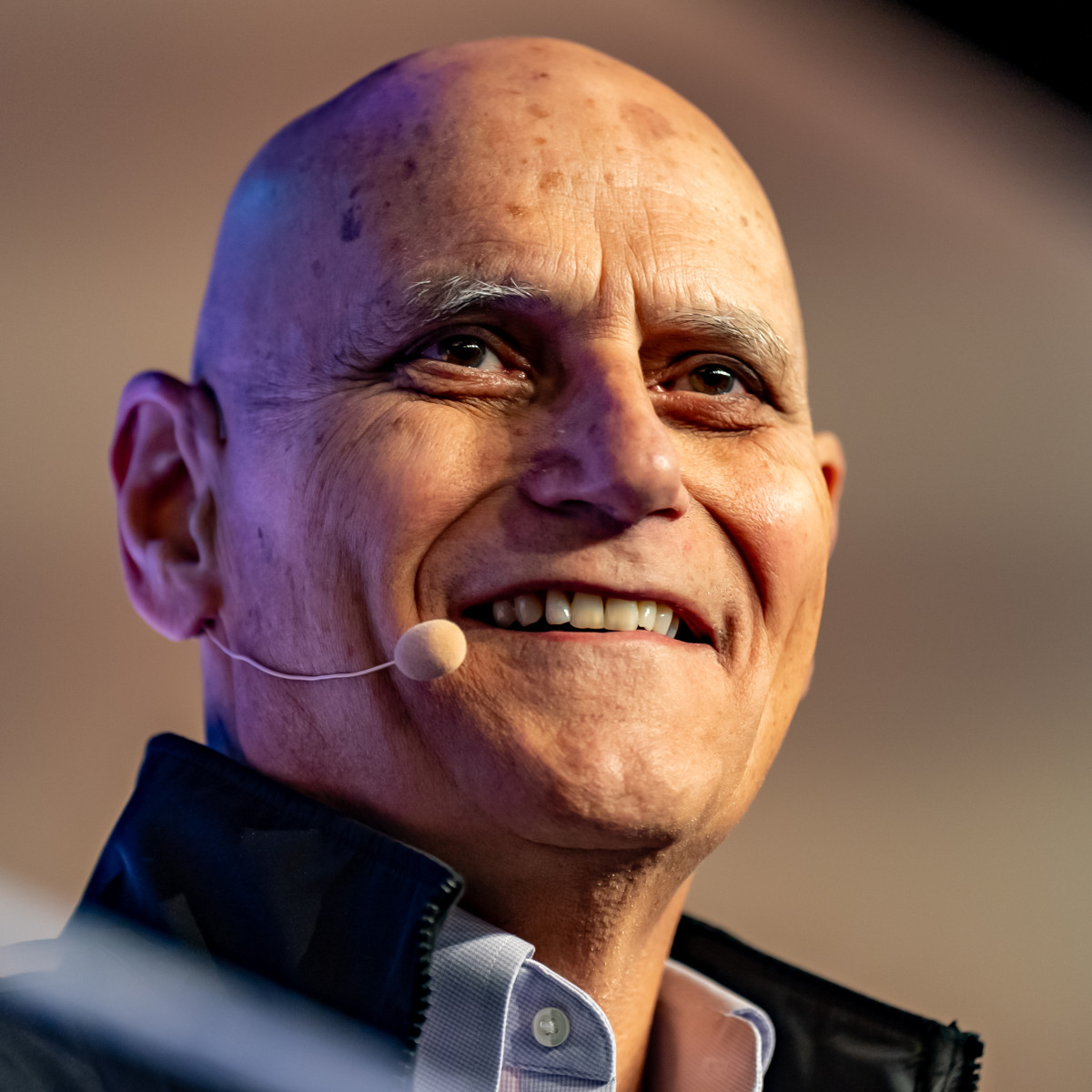
Steven C. Hayes, PhD
Steven C. Hayes is Nevada Foundation Professor Emeritus in Psychology at the University of Nevada, Reno, and President of the Institute for Better Health, a nearly 50-year-old charity dedicated to enhancing mental health care quality. He has authored 48 books and over 700 scientific articles, focusing on human language and cognition to alleviate suffering.
Steven C. Hayes is Nevada Foundation Professor Emeritus in Psychology at the University of Nevada, Reno, and President of the Institute for Better Health, a nearly 50-year-old charity dedicated to enhancing mental health care quality. He has authored 48 books and over 700 scientific articles, focusing on human language and cognition to alleviate suffering.
Hayes earned his Ph.D. in Clinical Psychology from West Virginia University in 1977, followed by a clinical internship at Brown University under David H. Barlow. His academic journey led him from the University of North Carolina, Greensboro, to UNR in 1986, where he served as Director of Clinical Training and later Chair, retiring in 2023.
He has been a prominent figure in behavioral and cognitive behavioral therapy, leading several major psychological associations, including the Association for Behavioral and Cognitive Therapies (ABCT) and the Association for Contextual Behavioral Science (ACBS). Hayes has secured about $15M funding for research and served on the National Advisory Council for Drug Abuse in the NIH.
His contributions have earned him numerous awards, including the Lifetime Achievement Award from the Association for Behavioral and Cognitive Therapy and the James McKeen Cattell Fellow Award from the Association for Psychological Science. He is recognized globally as one of the most influential and highly cited psychologists, ranked by Research.com and AD Scientific Index as among the top 5 clinical psychologists and among the top 25-75 o.
Hayes’s personal battle with panic disorder and agoraphobia catalyzed his development of Acceptance and Commitment Therapy (ACT) in the early 1980s. His work on ACT and Relational Frame Theory (RFT) has since transformed clinical psychology, leading to bestsellers like “Get Out of Your Mind and Into Your Life” and “A Liberated Mind”. Over the last decade, he has pioneered process-based therapy, culminating in three influential books, yet to be encapsulated in a self-help format until now.
Program
May 29, 2026 | Day 1, Friday
8:00 a.m.–6:45 p.m.
6.5 CE Hours
The Mess We Are In and a Process-Based Way Forward
Day 1 will explain why evidence-based intervention is stagnating and how the ACT and contextual behavioral science tradition (CBS) is positioned to do something about it. The focus of this day is on how evidence-based intervention came to be drawn into a cul du sac, even while we and our clients all know a powerful way forward as human beings fail to deploy it. The way forward includes personalization and grounding progress in processes of awareness, openness, and active life engagement. This day is personally challenging and experiential. Personal exercises and small group exercises will be used.
In the evening session, Steve will attempt to show that process-based ACT intervention can go anywhere, with anyone, at any time and still be effective if it fits within the functional contextual approach and psychological flexibility model. The evening session will contain “real play” demonstrations in which the Steve will work with volunteers on difficulties, and a question and answer session. Case demonstrations will give participants a `moment-by-moment` sense of ACT in action.
Schedule
- 7:00 a.m.–8:00 a.m. Check In
- 8:00 a.m.–9:45 a.m. The Mess We are In
- 9:45 a.m.–10:00 a.m. Morning Break
- 10:00 a.m.–12:00 p.m. Awareness Processes and Methods
- 12:00 p.m.–1:30 p.m. Lunch break
- 1:30 p.m.–2:45 p.m. Openness Processes and Methods
- 2:45 p.m.–3:00 p.m. Afternoon break
- 3:00 p.m.–4:30 p.m. Engagement Processes and Methods
- 4:30 p.m.–4:45 p.m. Late afternoon break
- 4:45 p.m.–6:45 p.m. Clinical Demonstrations
May 30, 2026 | Day 2, Saturday
8:00 a.m.–4:30 p.m.
Flexible Practice
Day 2 is a “skills building intensive.” The goal is to be able to use evidence-based processes linked to evidence-based procedures that address problems and promote prosperity in people. Through training in micro-skills, this day is intended to help attendees see psychological flexibility processes in flight, and target these processes at will within the therapeutic relationship. At any moment in any session attendees will learn how to go in any flexibility direction desired and once there to deploy methods that may be of help. Day 2 of the workshop is very interactive. Just as you can't learn to dance solely through verbal instructions this skills-building intensive creates more fluid and flexible skills by multiple rounds of practice and feedback. Work will be done on case conceptualization, reading processes, staying focused on a given flexibility process or shift to another process based on clinical need, responding to any statement from any corner of the model, and on integrating ACT method with methods attendees already know.
Schedule
- 7:00 a.m.–8:00 a.m. Check-in
- 8:00 a.m.–9:45 a.m. The Therapeutic Relationship: Embodying and Reading Flexibility Processes
- 9:45 a.m.–10:00 a.m. Morning Break
- 10:00 a.m.–12:00 p.m. Targeting Processes at Will
- 12:00 p.m.–1:30 p.m. Lunch Break
- 1:30 p.m.–2:45 p.m. Using Methods that Move Processes
- 2:45 p.m.–3:00 p.m. Afternoon break
- 3:00 p.m.–4:30 p.m. Integrating Process-Based ACT Into Your Practice
Learning Objectives
DAY 1
- Describe the six psychological processes that underlie and expanded psychological flexibility model
- Be able to link these 6 processes to the psychological dimensions of the EEMM
- Show how each of these processes can expand to the social level and physical level
- Be able to formulate common clinical problems using an expanded psychological flexibility model
- Demonstrate at least two skills or methods to expand cognitive or emotional flexibility
- Demonstrate at least two skills or methods designed to increase attentional flexibility and the ability to contact the present moment in a way that is flexible, fluent, and voluntary from a witnessing or notice sense of self
- Demonstrate at least two values construction skills or methods
- Discuss how flexibility processes are revealed in session
- Describe and least two examples of how to transition from one process topic to another
DAY 2
- Be able to detect at last two signs of emotional and cognitive inflexibility
- Be able to detect at last two signs of attentional and perspective-taking inflexibility
- Be able to detect at last two signs of motivational and over behavioral inflexibility
- Describe how psychological flexibility processes can be scaled socially and into the therapeutic alliance
- Be able to link psychological flexibility processes to bodily awareness and health development
- Be able to turn the clinical conversation toward any psychological flexibility process
- Discuss how to link ongoing case monitoring of psychological flexibility processes in case conceptualization, the personalization of treatment, and using evidence based kernels of intervention
Continuing Education
This professional continuing education activity was sponsored by Praxis Continuing Education and Training by New Harbinger and co-sponsored by the Institute for Better Health. Praxis Continuing Education and Training by New Harbinger, who has been approved as a provider of continuing education by the organizations listed below, maintains responsibility for the educational activity offered and for following the standards and regulations for the organizations. This live in-person activity is approved for 14.5 CE hours.

Joint Accreditation: In support of improving patient care, this activity has been planned and implemented by Praxis Continuing Education and Training by New Harbinger and the Institute for Better Health. Praxis Continuing Education and Training by New Harbinger is jointly accredited by the Accreditation Council for Continuing Medical Education (ACCME), the Accreditation Council for Pharmacy Education (ACPE), and the American Nurses Credentialing Center (ANCC), to provide continuing education for the healthcare team.
This activity was planned by and for the healthcare team, and learners will receive 1 Interprofessional Continuing Education (IPCE) credit for learning and change per hour attended.

Psychologists: Continuing Education (CE) credits for psychologists are provided through the co-sponsorship of the American Psychological Association (APA) Office of Continuing Education in Psychology (CEP). The APA CEP Office maintains responsibly for the content of the programs.
Social Workers: As a Jointly Accredited Organization, Praxis Continuing Education and Training by New Harbinger is approved to offer social work continuing education by the Association of Social Work Boards (ASWB) Approved Continuing Education (ACE) program. Organizations, not individual courses, are approved under this program. Regulatory boards are the final authority on courses accepted for continuing education credit. Social workers completing this course receive 1 clinical continuing education credit per hour attended.
Behavior Analysts: Praxis Continuing Education and Training is an approved BACB ACE Provider # OP-17-2718. This course is approved for 1 learning CEU per hour attended.
NY Social Workers: Praxis Continuing Education and Training by New Harbinger is recognized by the New York State Education Department's State Board for Social Work as an approved provider of continuing education for licensed social workers #SW-0467
NY Counselors: Praxis Continuing Education and Training by New Harbinger is recognized by the New York State Education Department's State Board for Mental Health Practitioners as an approved provider of continuing education for licensed mental health counselors. #MHC-0198.
NY Psychologists: Praxis Continuing Education and Training by New Harbinger is recognized by the New York State Education Department's State Board for Psychology as an approved provider of continuing education for licensed psychologists #PSY-0002.
NOTE: Many state boards accept offerings accredited by national or other state organizations. If your state is not listed, please check with your professional licensing board to determine whether the accreditations listed are accepted.
Disclosure Information:
All those in a position to control the content of an education activity are asked to disclose any relevant financial relationships they have with any ineligible companies.
There is no commercial support for this activity.
None of the planners or presenters for this educational activity have relevant financial relationship(s) to disclose with ineligible companies whose primary business is producing, marketing, selling, re-selling, or distributing healthcare products used by or on patients.
References
- Hayes, S. C. (2019). A Liberated Mind. Penguin/Avery.
- Hayes, S. C., Hofmann, S. G., & Ciarrochi, J. (2023). The idionomic future of cognitive behavioral therapy: What stands out from criticisms of ACT development. Behavior Therapy, 54(6), 1036-1063. DOI: 10.1016/j.beth.2023.07.011
- Hayes, S. C., Ciarrochi, J., Hofmann, S. G., Chin, F., & Sahdra, B. (2022). Evolving an idionomic approach to processes of change: Towards a unified personalized science of human improvement. Behaviour Research and Therapy, 156, 104155. DOI: 10.1016/j.brat.2022.104155
- Hayes, S. C., Hofmann, S. G. & Wilson, D. S. (2020). Clinical psychology is an applied evolutionary science. Clinical Psychology Review, 81, 101892. DOI: 10.1016/j.cpr.2020.101892
- Hayes, S. C., Hofmann, S. G. & Ciarrochi, J. (2020). A process-based approach to psychological diagnosis and treatment: The conceptual and treatment utility of an extended evolutionary model. Clinical Psychology Review, 82, 101908. DOI: 10.1016/j.cpr.2020.101908
Something Came Up? Don’t Worry!
We are happy to issue you a refund anytime before the event. However, we do charge a service fee of approximately 3% for cancellations. This is simply to cover banking transaction fees that we have no other way of recouping. If you need a refund, simply go to ibh.com/refunds, fill out the form, and we will issue your refund within 1-3 business days.